
The 15 Most Eaten Foods in the World

Food is something more than what we consume to stay alive. It’s an expression of love, comfort in stress, and a means of celebration. Whether you are cooking together or fine dining in a high-end restaurant, each experience with food is quite fulfilling.
Though food is more of a regional thing, some staples have blurred the geographical and cultural boundaries. These delicacies have journeyed far and wide, becoming a part of the global palette. From the comforting embrace of rice to the starchy goodness of potatoes, several foods are celebrated for their rich flavors and universal appeal.
So, what’s the most eaten food in the world? This article lists the top 15. Read on and join us on a journey where taste knows no bounds.
15 Popular Consumed Foods Around the Globe | What is Your Favorite?
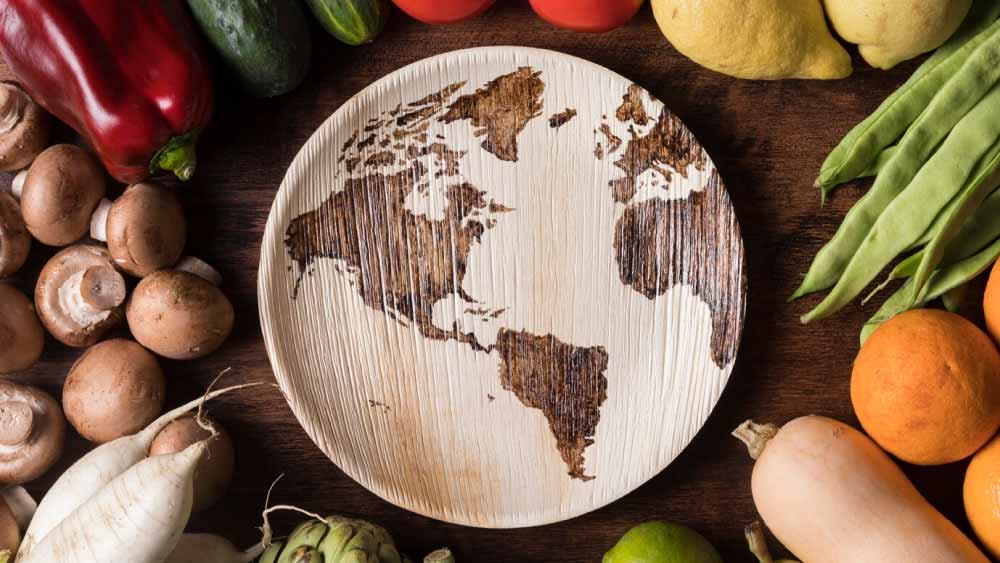
Below are the most consumed foods in the world. Our ranking is based on per capita consumption and per capita production data obtained from the Food and Agriculture Organization (FAO).
Let’s have a look!
Note: The vegetables and fruits are not included in this list as they are not individual foods.
15. Soup

According to the survey, 95% of people love soup. Classic chicken noodle soup is widely consumed, but people also make their own soup variations according to their tastes.
Interestingly, Americans eat over 10 million bowls of soup each year. Women love to have them for lunch more than men. It’s a universal food item that most of the world’s population agrees on.
14. Eggs

Sourced from chicken, eggs are the most eaten food around the globe. Whether scrambled, poached, fried, or hard-boiled, eggs offer a canvas for creativity in the kitchen. From east to west, it is widely used in every culinary as a food ingredient in multiple dishes and baked items. A rich source of essential nutrients like protein, vitamins, and minerals it is the most favorite food item from kids to adults.
According to the statistics of 2022, global egg production has reached 87 billion metric tons. Compared to 1990, global egg production increased by 100%, showcasing its increased demand and popularity.
13. Seafood
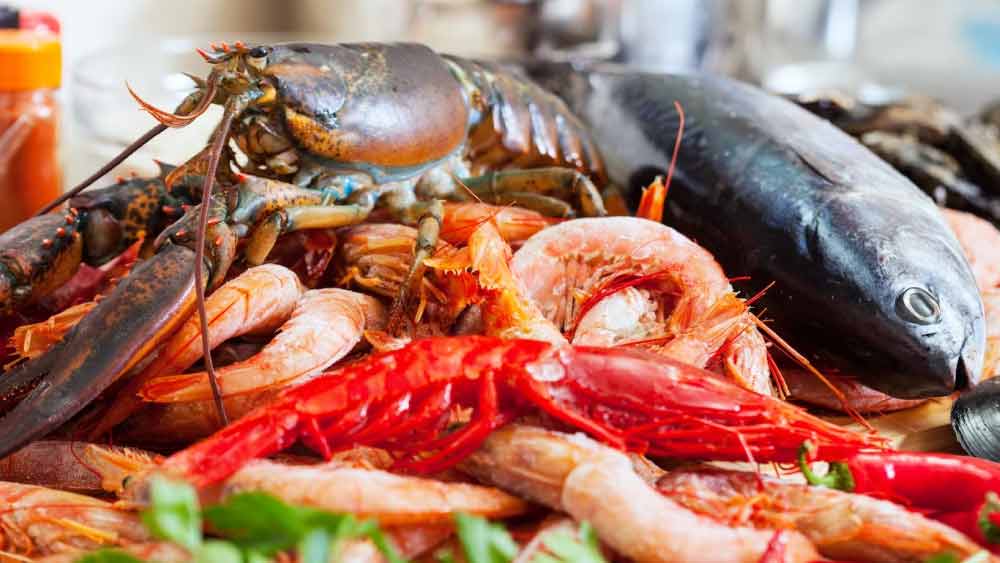
Seafood is a vital protein source for over a billion individuals. It has seen over 20 kg per capita increase in consumption since 1960. This high demand, combined with the serene delicacy of it, makes seafood one of the most expensive foods.
Shrimp, tuna, Salmon, and Pollock take the spotlight, with the United States emerging as a significant consumer of these maritime delights. On the other hand, Red Grouper is widely used in Chinese dishes. The diversity of seafood dishes mirrors its worldwide popularity, offering an array of flavors and textures that captivate palates and hearts.
Want to eat seafood! Check out the Best Seafood Restaurants in Chicago
12. Pulses
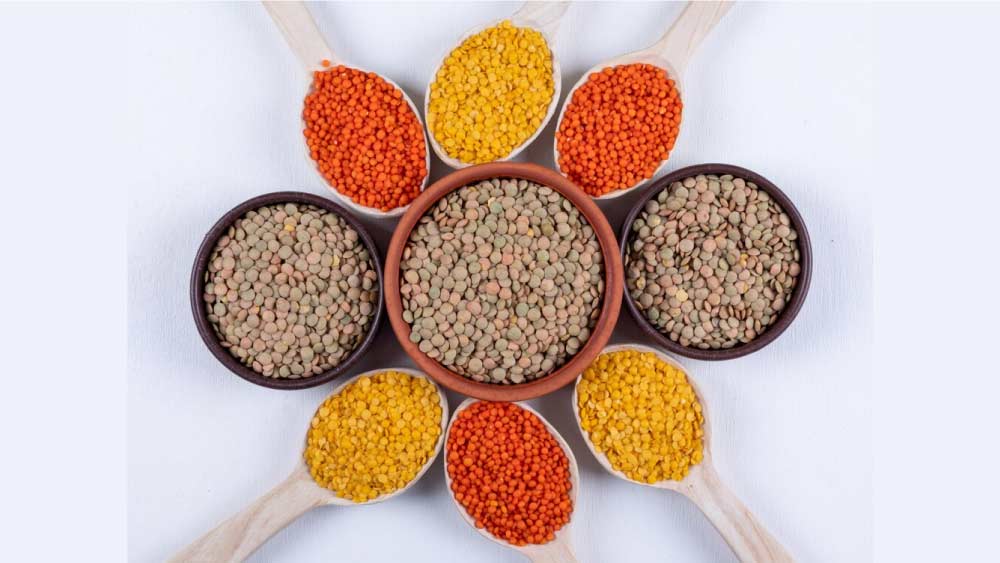
Pulses are widely available protein-rich staple foods worldwide that people largely consume to meet their daily nutritional requirements. Lentils, chickpeas, and several types of beans fall under this category, making them a perfect choice for a wholesome, high-protein lunch or meal that is both nutritious and satisfying.
To be more precise, it is the daily food item of South Asian and African countries rather than the USA and Europe. Now, as people are inclined to meat alternatives, the demand for pulses is increasing year by year.
It has a magical effect on increasing body immunity against many chronic diseases like digestive issues and cardiovascular diseases since it is low in cholesterol. Moreover, it is the primary source of insoluble fibers, antioxidants, and inflammatory agents.
11. Dairy Products

As the cow in the Bee movie said, “Milk, cream, cheese, it’s all me!” Dairy products are perhaps the most adaptable foods in the culinary industry. From your first glass of milk in the morning to butter on toast as breakfast, to consuming yogurt and fruit for lunch, before indulging in pizza loaded with cheese for dinner, and along the way to a delicious vanilla ice cream. Congratulations, you’ve consumed dairy products all day long, without even knowing, representing how often we take for granted this food product from all areas of the globe.
Globally, milk remains the backbone of dairy consumption as a nutritional powerhouse. Rich in calcium, protein, vitamin B12, and healthy fats, dairy plays a key role in bone health, muscle development, and overall nourishment.
The consumption rate is insane; 17 kg of dairy per person each year, with milk leading the charge at over 300 million tons produced annually. Cheese alone? A massive 22 million tons in 2022 alone. The worldwide milk consumption is projected to be around 997 million tons; those cows are working hard every year.
Dairy is basically the global chain of the most loved comfort foods that doesn’t discriminate against any culture. It is a very versatile, healthy, and sometimes, if you like, an indulgent product. So, the next time you take that coffee, think of it as a part of a worldwide love affair.
10. Beef
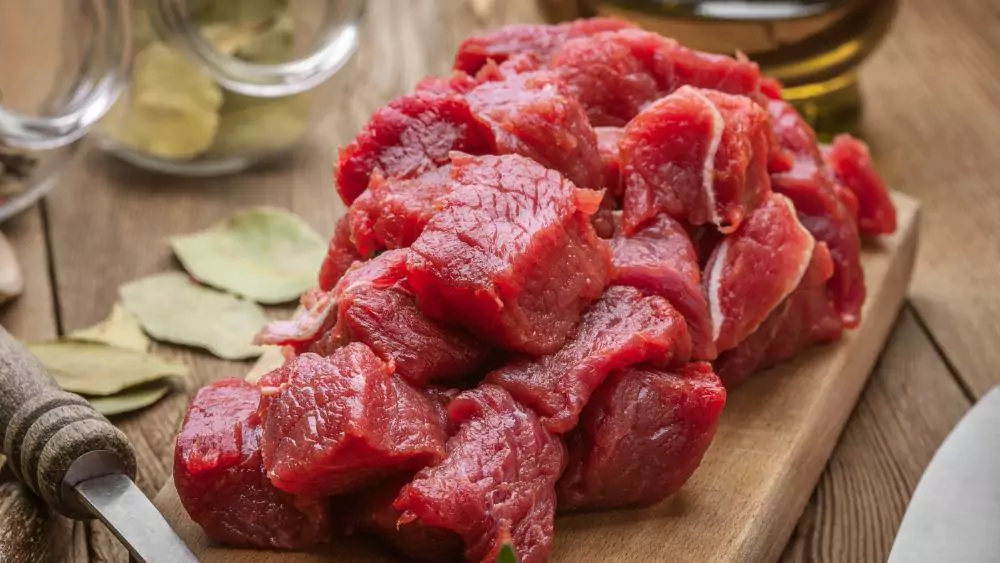
Beef, coming from cows, sits big in kitchens everywhere, loved for its tasty, rich flavor. Argentina’s smoky asado, grilled over open flames, or Japan’s super tender Wagyu beef steals the show at everyday dinners and special parties. The Food and Agriculture Organization says it’s about 19.2% of all meat made worldwide. Back in 1961, folks produced 23 million tonnes, but by 2022, that jumped to 69.3 million tonnes, showing how much people want it.
Top countries making beef? The United States, Brazil, and China lead the pack. In 2022, the U.S. pumped out 13.1 million tonnes, remaining a major player. For exports, Brazil is number one, with Australia and the U.S. trailing close.
How much beef do people eat? Argentina tops the list, chowing down 46 kg per person each year in 2022. The U.S. isn’t far behind at 38.1 kg, but the world average is just 9.4 kg, since diets and money differ. Uruguay and Brazil also eat tons of beef.
From sizzling steaks to cozy beef stews or a hot bowl of pho, beef’s more than food. It stands for wealth, old traditions, and cooking history, tying old-school farms to today’s tables.
Also read: Most Expensive Steaks in the World
9. Chicken, Poultry

Chicken, a global culinary cornerstone, is a staple protein source worldwide. Known for its versatility, chicken graces the table in several forms – from crispy fried delights to savory stews to mouthwatering sandwiches.
Currently, the global chicken industry raises and slaughters 74 billion chickens annually. As for chicken meat production only, the figure reached 121.95 million tones in 2021. This increase highlights the growing demand for poultry products, showcasing its unmatched adaptability and the integral role it plays in diverse cuisines worldwide.
8. Tomatoes

Ketchup, pizza sauce, marinades, and the ever-tasty shakshuka- is there anything tasty a tomato can’t make? Tomatoes are one of the versatile fruits (or veggie, whatever you consider them!). You can eat them raw, toss them in salads, or make delicious sauces with them.
Tomatoes boast a staggering 177 metric tons of global production every year. It was titled the world’s most popular vegetable in 2017, with a whopping 182M tonnes produced. Tomatoes offer a low-calorie profile, rich in vitamin C, potassium, folate, and vitamin K.
7. Sugar

A must-have of the modern diet, sugar boasts a history of a sharp surge in consumption fueled by industrialization and the widespread availability of cheap sweeteners. Sugar is one of the most widely eaten food in the world, averaging around 20 kg per person.
Sugar is used in several food products, like candy, cakes, soft drinks, and desserts. In terms of global scale, in 2022-2023, a total of 177.3 million metric tons of sugar is produced which indicates its increased consumption and demand.
Though the sweetness is deceiving, consuming too much sugar is bad for health, leading to problems like diabetes and obesity.
6. Potatoes

Potatoes – the 4th most eaten food in the world – witness fining tables of over a billion people. They have become a dietary cornerstone, with a production of over 376 million metric tons in 2021.
This vegetable packs a punch of carbohydrates, potassium, vitamin C, and B vitamins. Sweet potatoes are even considered one of the superfoods that keeps you healthy and thriving.
Besides its solid nutritional value, its taste profile is also commendable. From enjoying them as mashed potatoes to savoring them as French fries, the potatoes have become an impactful crop.
5. Maize
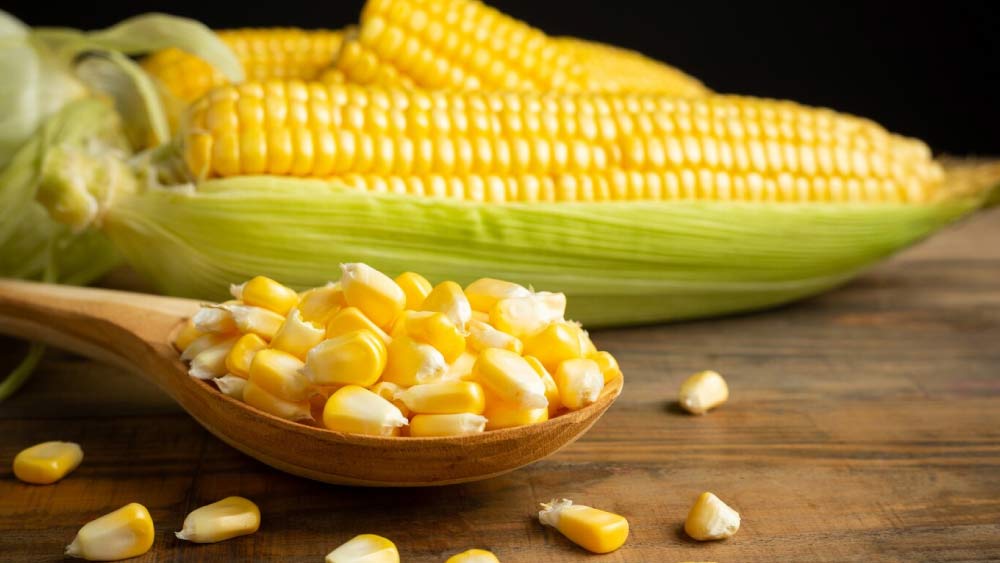
Also known as corn, maize is a vital staple and foremost food source in sub-Saharan Africa. Ranking 6th in human food consumption, with an average of 18.8 kg per capita annually, it is the preferred food for over 900 consumers.
It is estimated that the production quantity of the maize will increase by 32.58% by 2030. And with the high growth rate, the per capita quantity will also increase by 19.46%. Maize is a major source of carbohydrates and a staple in worldwide sustenance.
4. Wheat

Wheat, the third-most-consumed food globally, feeds over 2.5 billion people across 89 countries. It serves as a vital staple for approximately one billion individuals surviving on less than $1.90 a day.
This multi-functional grain takes center stage in diverse cuisines, crafting staples like bread, pasta, and noodles, delivering essential carbohydrates and protein to countless diets. The widespread reliance on wheat underlines its pivotal role as a global dietary cornerstone, ensuring nutrition for millions.
3. Pasta
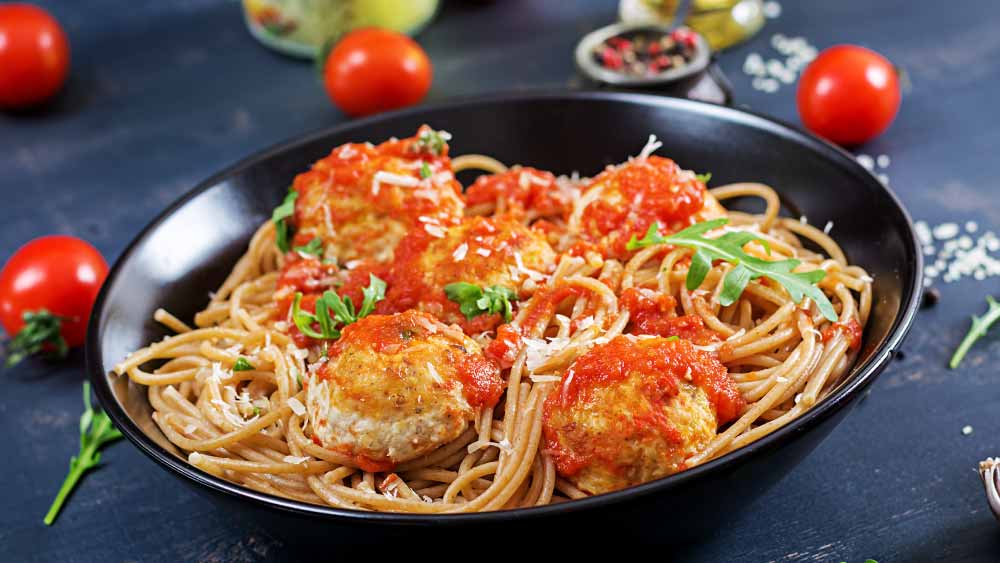
Pasta, originating in Italy, is a staple ingredient in many dishes. It comes in more than 400 shapes and sizes, both dried and fresh, inviting a unique culinary experience. However, in some countries, it is not a staple food, although it is a favorite munch at dinner.
Original pasta was made from wheat flour and rice flour, and now more gluten-free options are available, such as multigrain pasta, quinoa pasta, brown rice pasta, and more.
With a high nutritional value, the global production has now reached 14.3 million tons.
2. Pizza

Pizza, an Italian dish, has reached almost every corner of the world, and every culture has made its own variation. Making a classic-style pizza requires skills and experience; however, people have started making customized Pizza even in microwave ovens.
Interestingly, Norway is the country that consumes the most pizza. This market is projected to grow to almost $145 billion globally. No wonder people are addicted to the sizzling taste of tomato sauce, mushrooms, pepperoni, and a thick layer of cheese on flatbread.
1. Rice
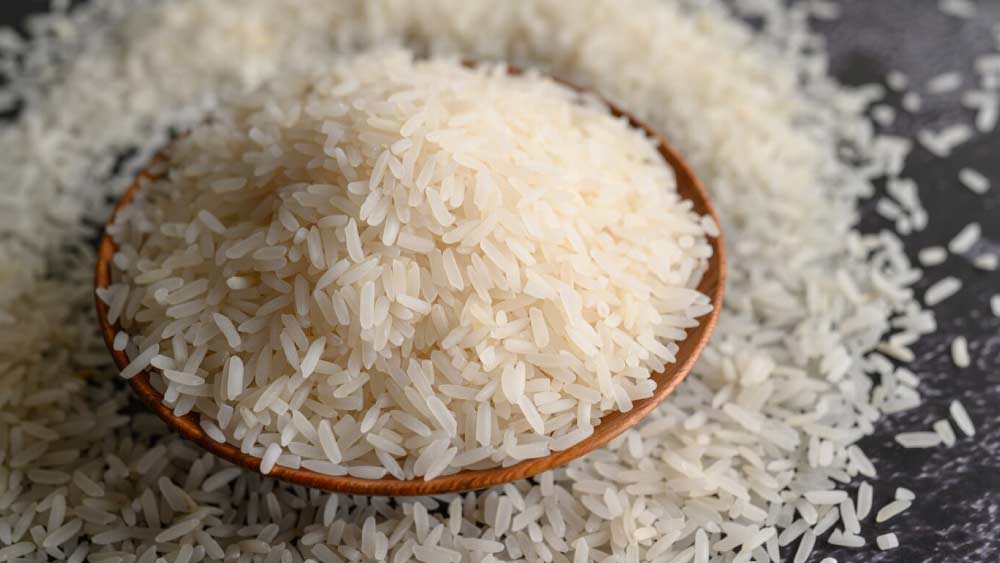
What is the most eaten food in the world, and why it is rice? Cultivated in over 100 countries, with a staggering 90% of production hailing from Asia, rice stands as a culinary linchpin.
The rice production quantity is projected to increase by 11.12% by 2030, driven by the high demand and liking.
The widespread love for rice underscores its unparalleled importance as a staple, offering vital nutrition to millions across the globe. It is a powerhouse of nutrients like carbohydrates, magnesium, phosphorus, and iron.
Also Read: Best restaurants to try Sushi!
| Rank | Food | Per Capita Consumption | Leading Producers | Notes / Corrections |
|---|---|---|---|---|
| 15 | Soup | 1.2 kg | USA, Russia, UK, France, Japan | Consumption is approximate; global data not standardized. |
| 14 | Eggs | ~281 eggs/person/year (~12 kg) | China, Indonesia, India, USA | Corrected unit from metric tons to kg/eggs. |
| 13 | Seafood | 20.2 kg | China, Indonesia, India, USA | Adjusted producers to actual top seafood producers. |
| 12 | Pulses | 18.1 kg | India, Canada, China | Original info mostly accurate. |
| 11 | Dairy Products | 117.7 kg (milk eq.) | India, EU, USA | Milk equivalent clarified; original data fine. |
| 10 | Beef | ~9.4 kg (world avg), Argentina 46 kg, US 38.1 kg | USA, Brazil, China | Consumption numbers clarified. |
| 9 | Chicken (Poultry) | 15.6 kg | China, Brazil, USA, India | Corrected leading producer Brunei → China. |
| 8 | Tomatoes | 21.2 kg | China, India, USA, Italy | Portugal replaced with actual top producers. |
| 7 | Sugar | 20.4 kg | Brazil, India, EU, Thailand | Belize, Mauritius, Fiji replaced with main producers. |
| 6 | Potatoes | 32.9 kg | China, India, Russia | Ukraine, Denmark replaced with major global producers. |
| 5 | Maize (Corn) | 18.8 kg | USA, China, Brazil, Argentina | “Africa” replaced with proper countries. |
| 4 | Wheat | 67 kg | China, India, Russia, USA | Bulgaria, Denmark replaced with top producers. |
| 3 | Pasta | 15.5 lbs (~7 kg) | Italy, Brazil, USA, Turkey, Russia | Pounds converted to kg. |
| 2 | Pizza | Canada 8.9 kg, Norway 11.4 kg, India 1.3 kg | Italy | Per capita consumption clarified. |
| 1 | Rice | 78.4 kg | China, Thailand, India, Cambodia | Guyana replaced with main Asian producers. |
Conclusion!
In this flavorful exploration of the world’s most eaten foods, we’ve ventured from comforting grains to delectable greens, discovering global culinary favorites. The journey extends to the nutritional powerhouses of wheat, maize, and the sweet indulgence of sugar.
Seafood, a serene delicacy, and the globally cherished pig add a savory dimension. Chicken, a versatile protein, concludes our culinary odyssey, proving that the joy of food unites us all, celebrates diversity, and creates a shared global palette. Bon appétit!
About the Author: Muhammad Arslan





news via inbox
Sign up and never miss out on the latest news and updates at HighStuff