
Essential Home Maintenance Habits That Extend the Life of Your Appliances
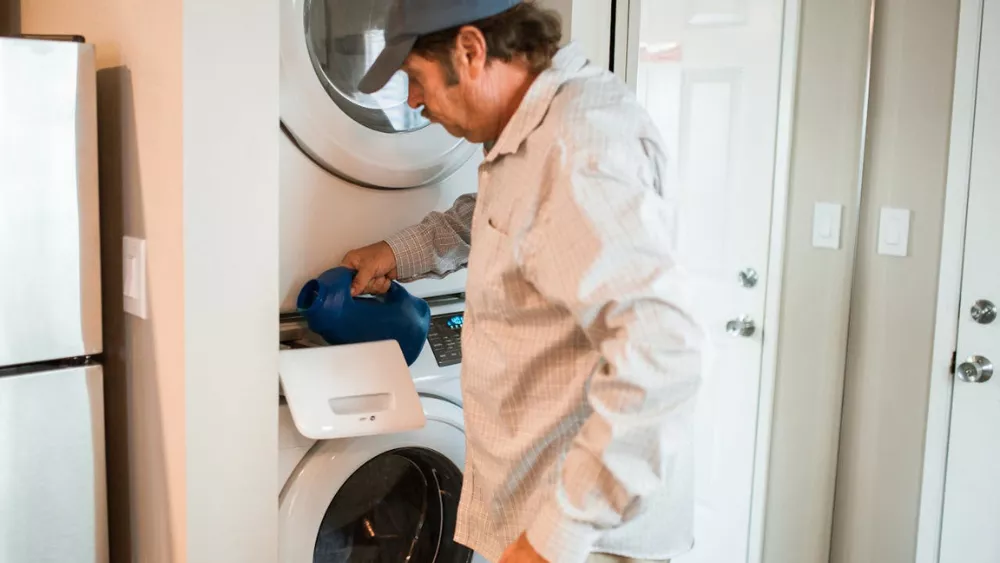
Most households own appliances that represent a serious financial investment, yet surprisingly few people give those machines the routine attention they need to perform well over the long haul. From your refrigerator to your vacuum and washing machine, simple maintenance habits can head off costly breakdowns and keep everything running efficiently for years. This guide covers practical, low-effort routines for common household appliances — helping you protect that investment, cut down on energy waste, and avoid the headache of unexpected failures.
Why Regular Appliance Maintenance Matters
Preventive maintenance is one of the most cost-effective habits a homeowner can develop. When dust, grease, limescale, and debris build up inside appliances, they force motors, fans, and heating elements to work harder — driving up energy consumption and accelerating wear. Consumer safety and energy-efficiency organizations consistently find that well-maintained appliances use measurably less electricity and water than neglected ones.
The core benefits of regular upkeep include:
- Fewer sudden breakdowns and expensive repair bills
- A longer appliance lifespan, which means replacing things less often
- Improved energy efficiency and lower utility costs
- Better indoor air quality and overall hygiene
Always consult your appliance’s user manual for manufacturer guidelines on cleaning intervals, filter replacements, and recommended service checks — these vary considerably from one model to the next.
Daily and Weekly Habits That Make the Biggest Difference
Simple Routines for the Kitchen
Kitchen appliances take a beating from heavy daily use, which makes small weekly habits especially worthwhile. For refrigerators, wiping door seals regularly preserves a proper airtight closure, while avoiding blocked internal vents and keeping the temperature within the manufacturer’s recommended range helps the unit run without unnecessary strain. Periodically cleaning the condenser coils — typically found at the back or underneath the unit — can noticeably reduce energy draw.
For stovetops and ovens, tackling spills while they’re still fresh prevents the kind of stubborn buildup that leads to smoke, odors, and surface damage down the line. With dishwashers, clearing the food trap and checking spray arms for blockages on a weekly basis ensures thorough cleaning and keeps drainage issues at bay.
Quick Weekly Kitchen Check:
- Wipe refrigerator door seals
- Clear the dishwasher food trap
- Wipe down stovetop and oven surfaces after use
- Check for unusual odors or sounds
Smart Habits with Cleaning Appliances
For floor-cleaning devices, filter maintenance is critical. Emptying dust containers or bags before they’re completely full prevents the motor strain that comes from restricted airflow. Clogged filters force the motor to run hotter and harder, shortening its lifespan and robbing the machine of suction power. Clean or replace filters on the manufacturer’s recommended schedule to maintain both cleaning performance and indoor air quality.
Steam cleaners and mops should always be allowed to dry thoroughly after use — skipping this step invites mold growth inside hoses and tanks. Handheld gadgets benefit from a quick wipe of their charging contacts, and keeping storage areas free of dust goes a long way toward preserving them.
Monthly and Seasonal Checks for Major Appliances
Running a maintenance wash — a hot cycle with an appropriate cleaning agent — once a month helps washing machines shed detergent residue and odor-causing bacteria. Cleaning rubber gaskets and detergent drawers prevents mold from taking hold in the damp crevices where it loves to grow.
For dryers, clean the lint filter after every single load without exception, and periodically inspect the exhaust vent pathway for obstructions. Lint accumulation is a well-documented fire hazard; following local safety guidelines and manufacturer recommendations here isn’t optional.
Air conditioners, heat pumps, and air purifiers all depend on clean filters to maintain proper airflow and keep energy use in check. Health and energy agencies generally recommend checking these filters every one to three months, depending on usage and the surrounding environment.
Knowing When to DIY and When to Call a Professional
Many maintenance tasks — cleaning filters, wiping seals, conducting visual inspections — are safe and straightforward for most homeowners. Electrical repairs, gas line issues, refrigerant handling, and internal motor replacements, however, should always be left to qualified technicians.
Warning signs that warrant professional attention:
- A persistent burning smell
- Repeated error codes despite thorough cleaning
- Unusual grinding or rattling noises
- Water leaks or tripped circuit breakers
Keeping a simple log of service dates and repairs makes it easier to spot patterns and act before small problems become expensive ones.
How Good Habits Protect Your Budget and the Environment
Every appliance that lasts longer is one that doesn’t need to be manufactured, shipped, or disposed of ahead of its time. Growing concern about electronic waste and household energy consumption makes individual maintenance habits more meaningful than they might initially seem. Clean filters alone can lower your utility bills in a measurable way, and reducing how often appliances need replacing helps reduce waste on a broader scale. Consistent care is, in the end, one of the most practical ways to support a more sustainable home.
Bringing It All Together
Consistent, small maintenance habits compound over time. A household that spends a few minutes each week wiping seals, emptying filters, and checking vents will encounter far fewer breakdowns over the years than one that waits until something actually fails.
Start by putting together a simple maintenance calendar with daily, weekly, monthly, and seasonal tasks. Rather than trying to overhaul every routine at once, pick one or two habits to begin with — cleaning filters and wiping door seals are excellent entry points — and build from there. Pull out your appliance manuals today; the recommended intervals are often far simpler to follow than most people expect.
Also read: Kitchen Remodeling Tips
About the Author: Rizwan Ahmad





news via inbox
Sign up and never miss out on the latest news and updates at HighStuff