
What Patients Often Miss About Their Scan Reports
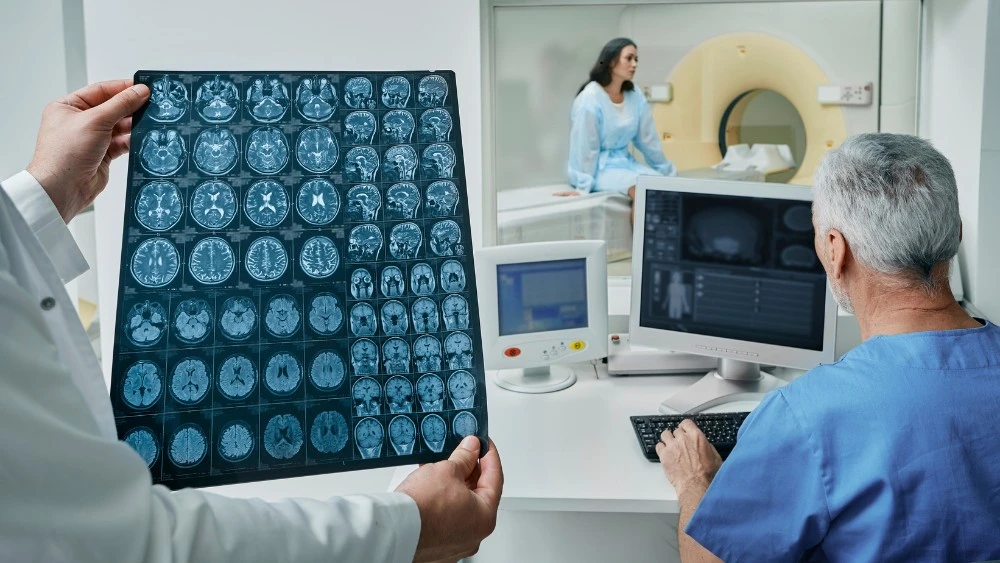
Receiving a scan report can be overwhelming, especially if you’re not sure what the terminology means or how it fits into your broader health picture. While these reports are designed for clinical use, they often land in your hands without much explanation. If you don’t know what to look for, it’s easy to overlook important clues or misinterpret what the report actually says.
Here’s what you might be missing and how to approach your report with more clarity.
1. Misunderstanding the Purpose and Scope of Imaging
It’s easy to assume a scan is a general check-up or a comprehensive screening tool. In truth, every scan is ordered with a specific clinical question in mind. If your doctor suspects something, like a kidney stone, a torn ligament, or a mass, that’s what the radiologist is primarily looking for. A “normal” result means no abnormality was found in that specific context, not that everything in your body is fine.
If you’re unsure what your scan was meant to detect or what the results truly mean, you can explore resources like InsideRadiology diagnostic imaging information for accessible explanations on how different imaging types work and what their limitations are. It’s a helpful guide for making sense of your scan beyond the medical jargon.
2. Missing the Role of Comparison Scans
If you’ve had previous scans, it’s important to know whether your current one was compared to them. Changes over time, like growth, shrinkage, or stability, are often more significant than the size or shape of a single finding.
Don’t assume that no news is good news. If your report doesn’t mention previous imaging, ask whether those older results were available for comparison. This is especially important for long-term conditions or cancer follow-ups.
3. Skipping the Difference Between Findings and Impressions
Most reports are divided into two main parts: the findings and the impression. The findings list what was seen, such as sizes, shapes, densities, or anatomical variations, sometimes using terms like hepatic hypodensities to describe areas in the liver that appear darker on imaging and may require further evaluation. The impression is a brief summary of what those findings might mean.
If you jump straight to the impression and ignore the findings, you might miss subtle but important details. For instance, something might be flagged as “likely benign” but still require monitoring. Always take time to read through the full report, and don’t hesitate to ask your doctor to explain anything unclear.
4. Underestimate the Importance of Follow-Up Recommendations
Sometimes, reports will suggest another scan in six months or recommend a clinical review. These aren’t just formalities. Follow-up recommendations are based on thresholds of risk or uncertainty, and they’re there to protect your long-term health.
If a radiologist recommends monitoring a nodule or repeating a test, make sure you understand why, and don’t skip it just because the overall tone of the report seems reassuring.
Look Beyond the Summary
Reading your scan report carefully, and with the right context, can make a big difference in how you manage your health. Rather than just focusing on whether the impression says “normal” or “benign,” take the time to understand the full picture.
Use your report as a starting point for a deeper conversation with your doctor. A few extra questions could help uncover follow-up needs, clarify uncertainties, and give you more peace of mind.
About the Author: Muhammad Arslan





news via inbox
Sign up and never miss out on the latest news and updates at HighStuff